The secret behind viral product launches.
· 10 min read
the state of startup marketing (2026)
Using Twitter, startups have the unique opportunity to capture millions of eyeballs and attention that’s worth millions of dollars. But how do you actually win the timeline for a day? Are there any clear steps to follow to grab that kind of attention, or is it mostly luck and good product? (We’ll get to that in a bit.)
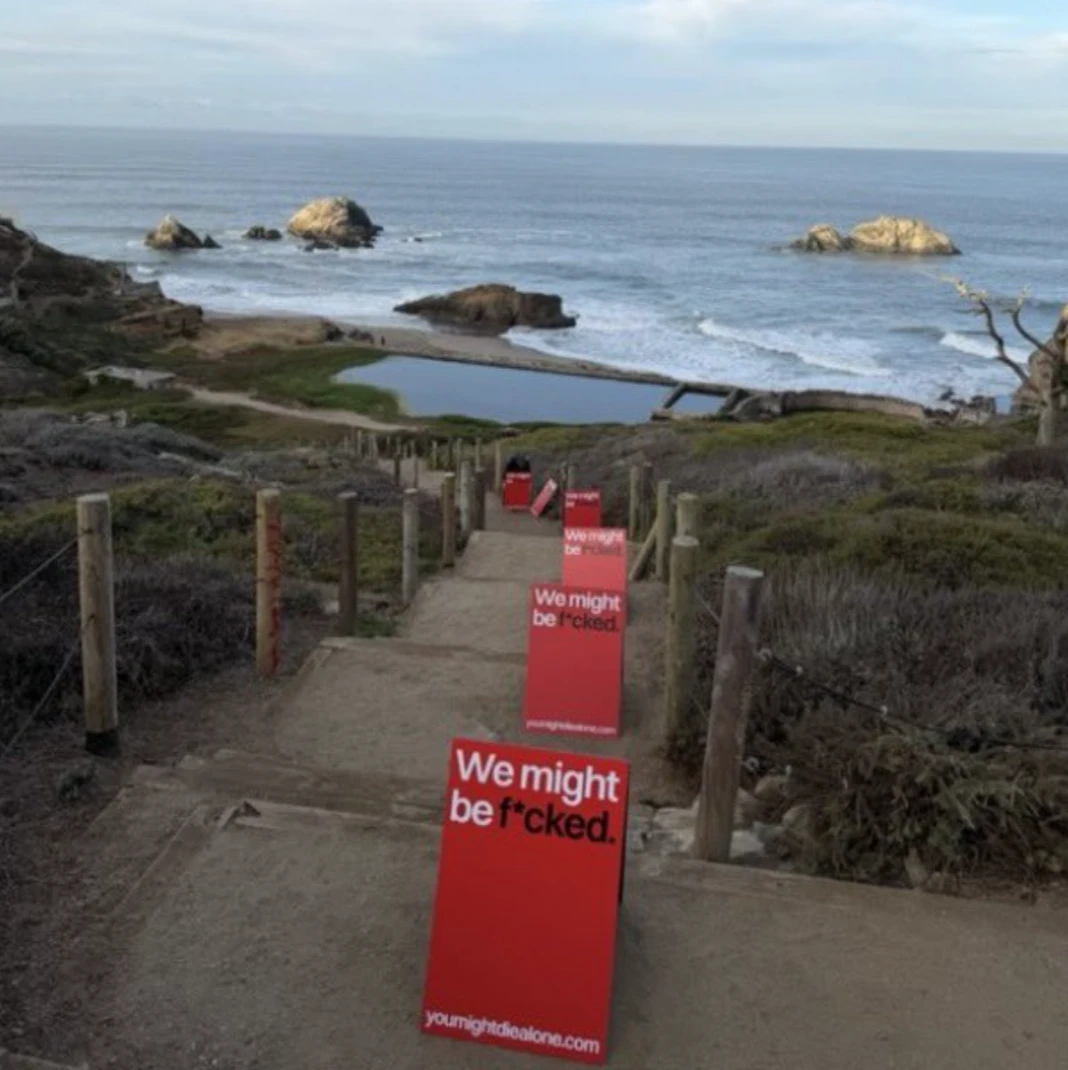
Companies are realizing that AI has industrialized content production and saturated the space. You must fight for attention against doomscrolling, dating apps, or political ragebait. Recently things have escalated, and companies in SF are now putting ads by the beach…
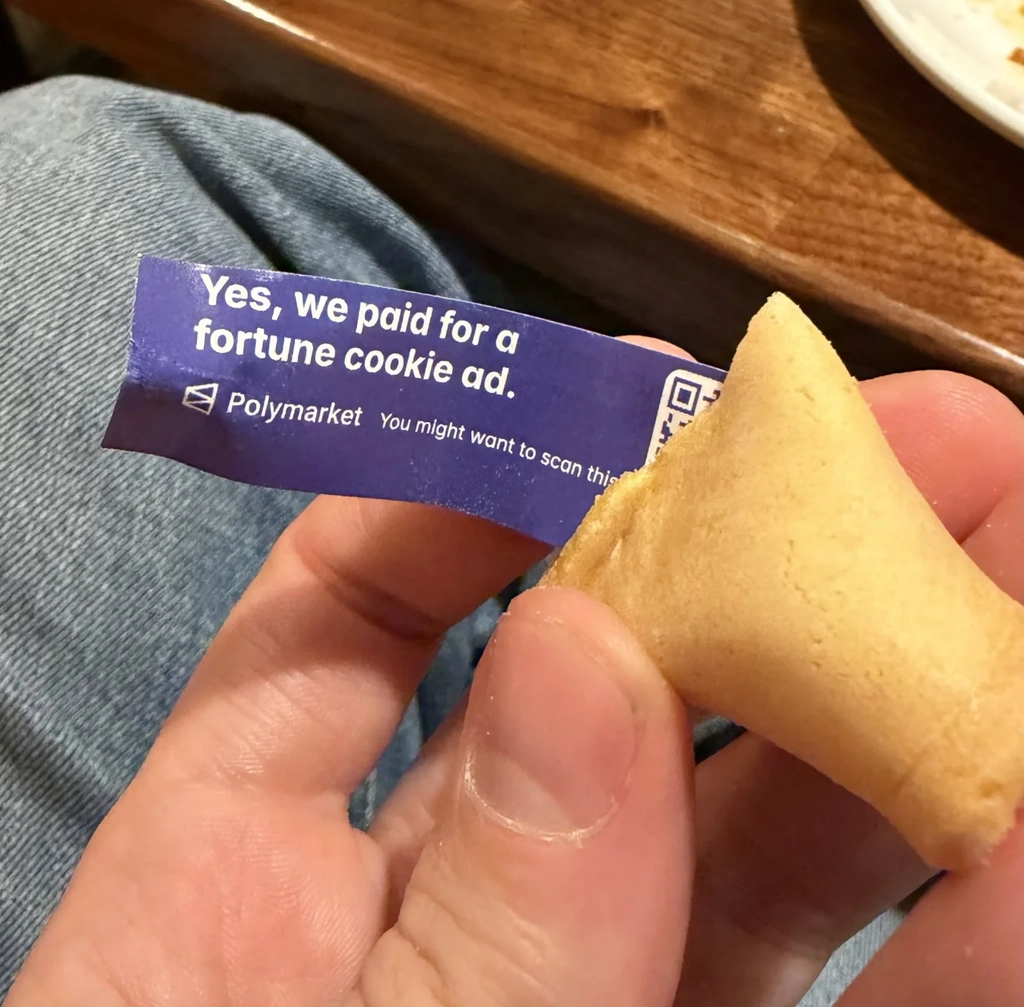
... in fortune cookies…
… or, speaking of fortune, offering one to people for a simple tweet.
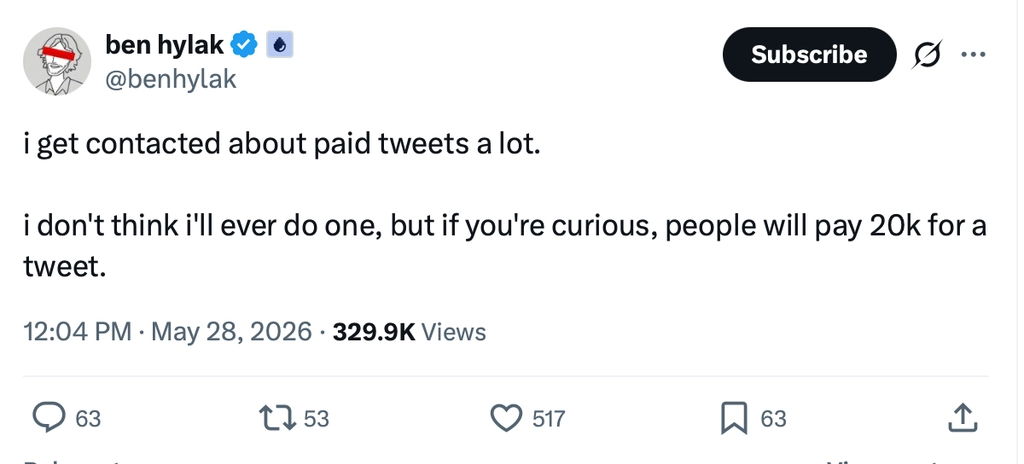
Desperate attempts don’t go unnoticed by the chronically online. As impressions grow, so does the scrutiny of “paid partnership” labels, bot farms, and campaigns polluting public spaces.
Like engineering, a lot of marketing is only noticed when it sucks. Ironic.
On one hand, we have obvious bad examples of companies trying too hard.
On the other, a lot of people in tech underestimate marketing and still believe they can just throw up a really nice video on Twitter with a rage-bait caption and get people to care.
Sometimes it works, but most viral launches are carefully curated and engineered over weeks (or even months) of planning.
What makes a viral launch?
If I told you everything, it wouldn’t be much of a secret. In this article, we’ll talk briefly about all the different things a company must do to coordinate a launch with 1M+ views.
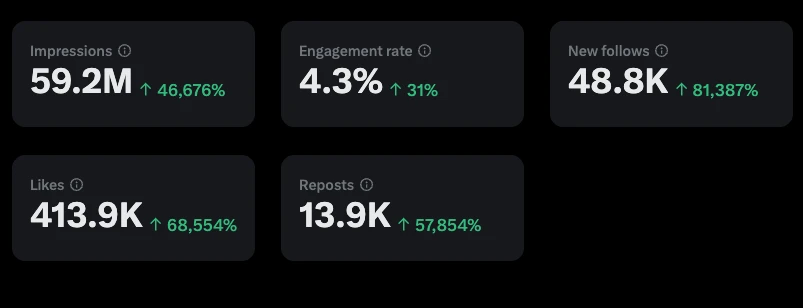
I’m Kyle, I launch stuff at Browserbase. My work has helped us generate >30M impressions YTD. Here’s one I worked on:
I’m co-writing with Tereza, who has generated hundreds of thousands of impressions on launches at Factory purely from organic community posts, and previously has launched growth-focused repositories and courses at E2B. She’s a fan of repeated, long-term launches using organic support.
Together, we’ll guide you through launching stuff in the age of new media and AI.
1. A scroll-stopping video:
People who haven’t worked on production-grade videos have no idea how much they cost. The launch videos easily cost 100-250k, plus time investment in preparing the script and the recording and feedback iterations. From idea and script-writing to filming and editing, these “films” can take a month or more to execute correctly.
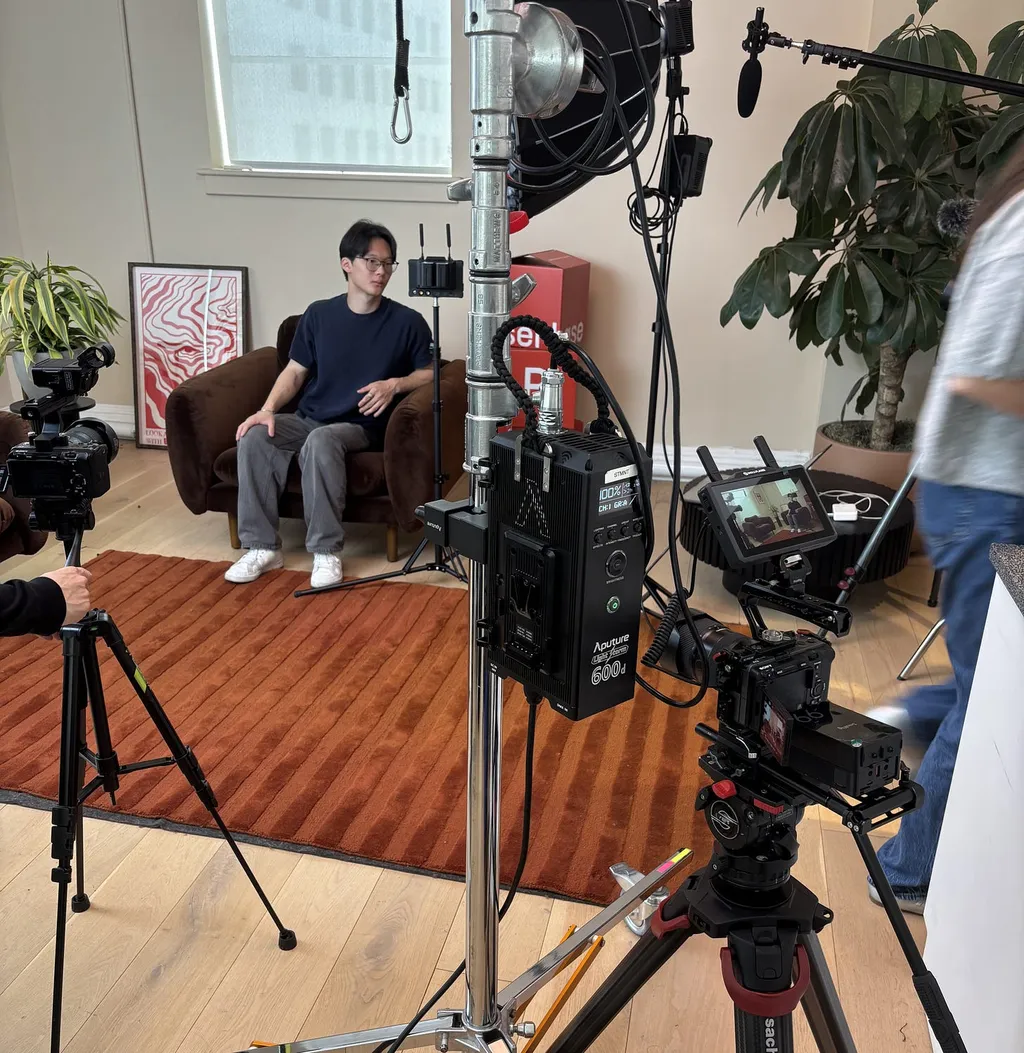
There are plenty of studios in SF/NYC that specialize in startup launch videos, but some are objectively better than others. Getting the best video becomes a game of who you know.
But what does good look like? To me, it’s fast iteration speed (take feedback and return updates in a few hours), the ability to sharpen your vision (take what you have and make it better than you expected), and (obviously) having a track record of quality films.
Your studio should also think holistically to make sure the story is cohesive. They’ll help storyboard, run the film set, and own all editing.
2. Fantastic copy:
You can’t afford to spend so much on the film part of your launch just to write mediocre copy.
In launches, every word must earn its place. Top teams go as far as monitoring the aesthetic composition of the words or tweet sequences.
Copy should be:
-
Visualizable
-
Falsifiable
-
Something no one else can say
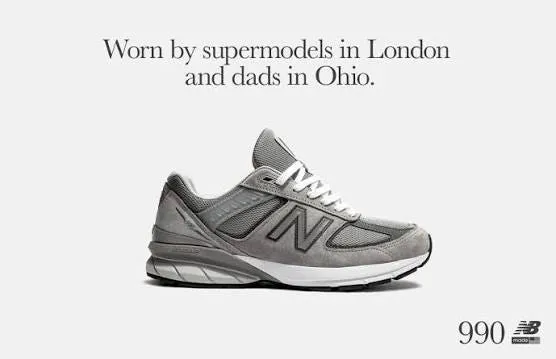
It also helps when it’s clever. That feeling you get when you read something and wish you could’ve come up with it first. Here’s one of the best videos on copy.
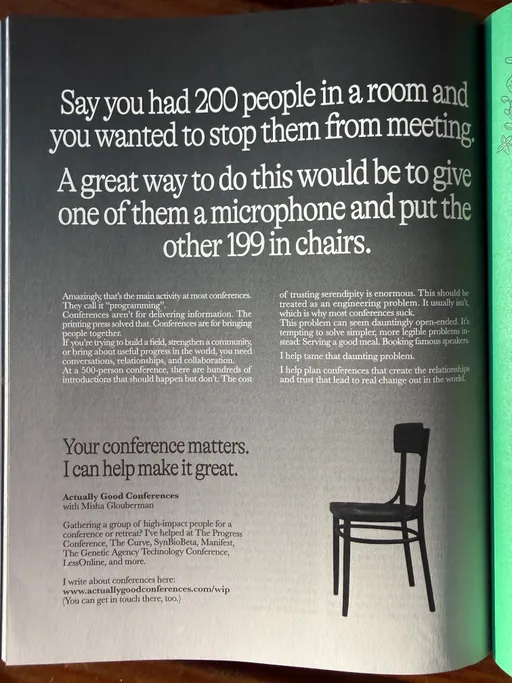
A high concentration of ads with clever copy can be found in Works in Progress magazine.

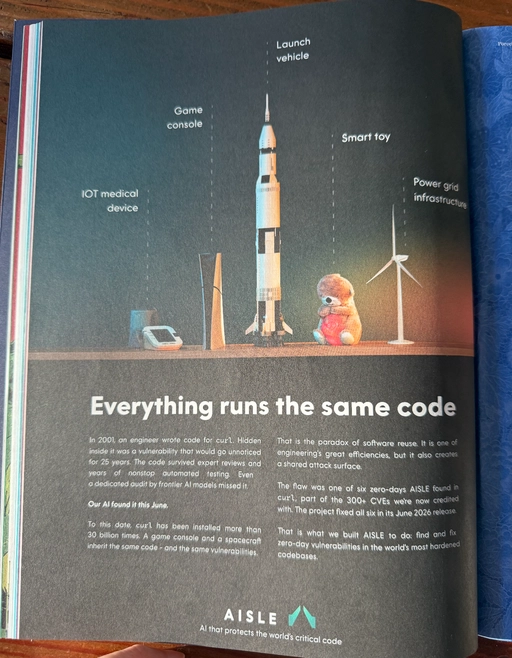
For Twitter specifically, here is a smart checklist for your launch copy:
-
Proof of work (I’ve done xyz or our customers are xyz)
-
A clear problem with how the world works
-
Your contrarian take.
-
A huge number.
An amazing example of this is the Jev launch:
-
Social proof: he created ChatGPT and RLHF
-
Problem: current models aren’t AGI and we should focus on AI in production
-
Solution: RLCD and Jev, a decision model
-
Number: 200x faster, 400x cheaper
3. A damn good story:
The company, its employees and founders, and both launch copy and video must follow a cohesive story. Every story needs a hero and a villain. A contrarian take and something everyone agrees on. People who’d love it, but also people who will hate it.
Good stories are curated, rather than invented. Your narrative must be core to the business, while also being relevant to the internet zeitgeist.
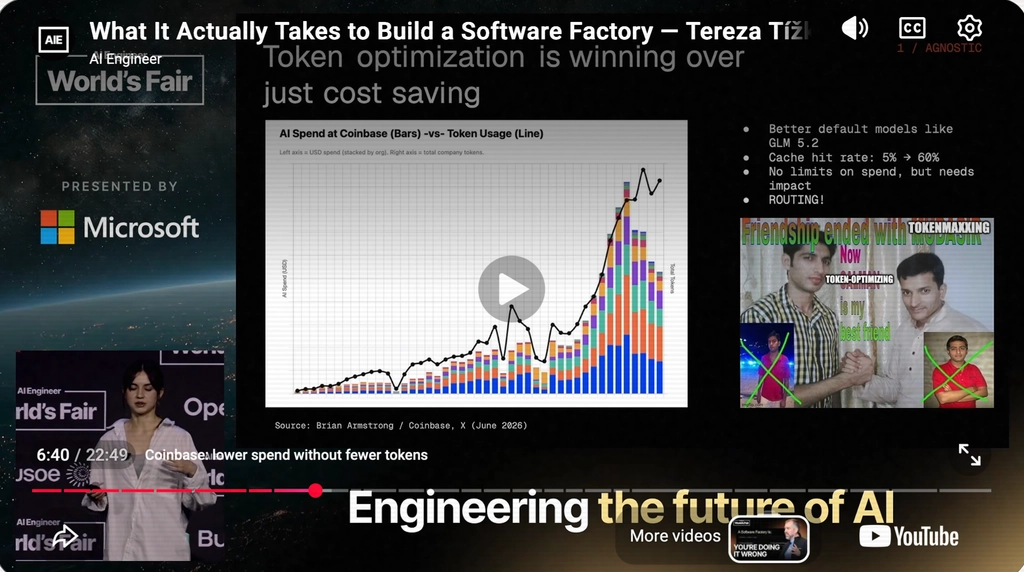
An example is the launch of Factory Router. It could just end with “Hey, we launched automatic routing between LLMs.”
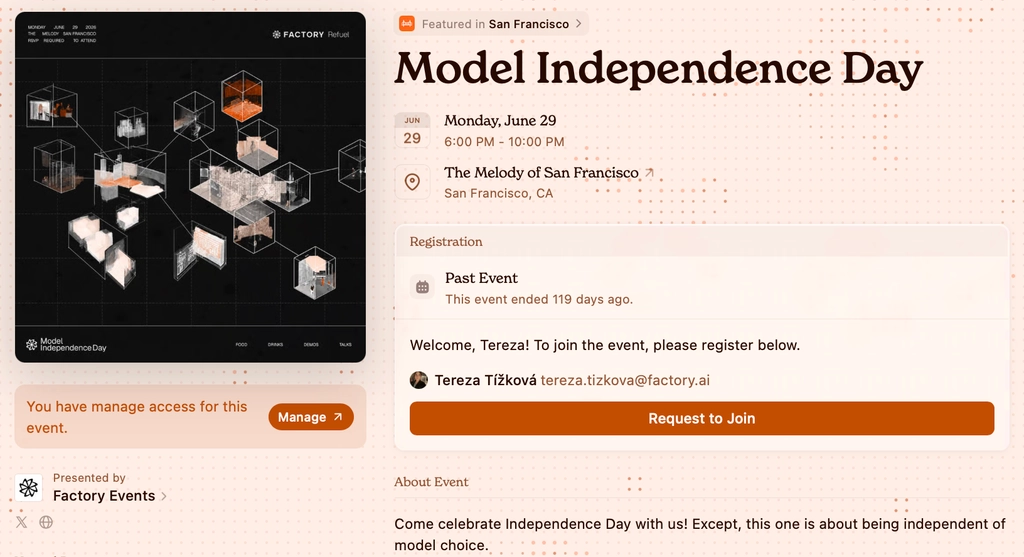
Or instead, you can prepare a continuous story about independence from big labs (the ”villain”), cost savings, and war against endless token maxing (contrarian at that time). You need to go and repeat the same launch story to the media, at conferences, or host themed community events.
4. Friends:
Your network is your net worth, and your “famous” friends will help bring your launch to their audience.
Especially if you’re launching something you personally worked on, make sure to tell your friends, investors, etc.
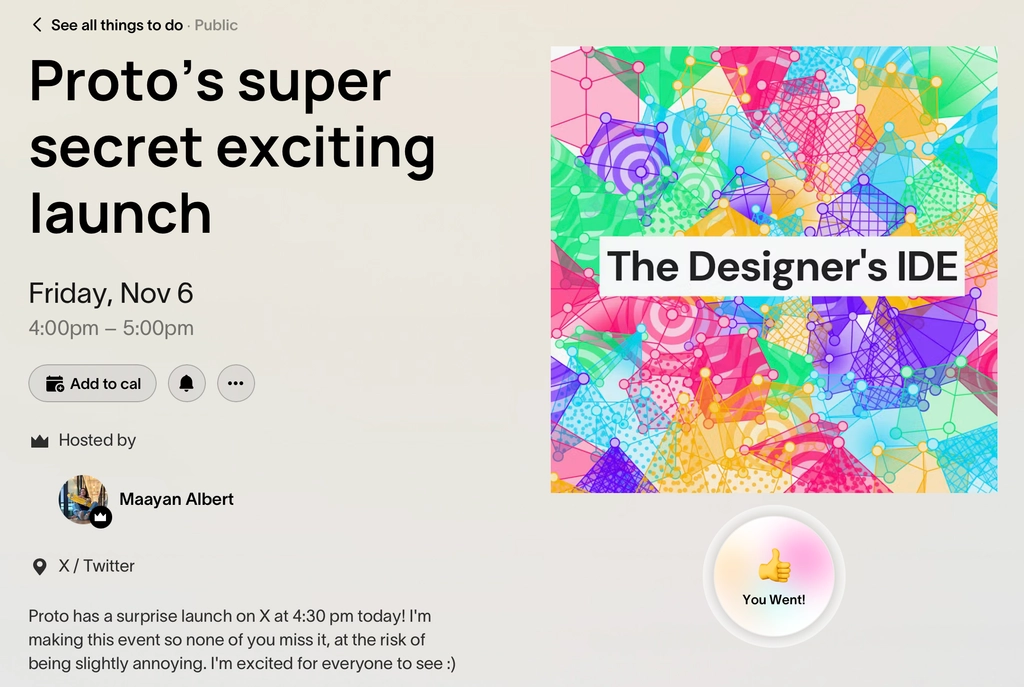
Go as far as sending a Partiful or Luma invitation for your launch day. Why make it an event? If they join it, you can reach them with an SMS at the time of launch. That’s more pragmatic than just e-mailing them or letting them check their calendar (moreover, the time of launch can change!)
Having someone with 50k+ followers quote tweet your post can be a huge force multiplier to the launch. The X algo greatly prefers quotes and replies over reposts and likes, chat with it to see for yourself.
There is a caveat. This resource is not infinite because even your closest friends can get tired of your asks. This is an “engineering problem” that can be solved with what Tereza calls “community engine”.
You should build a tool that synthesizes, filters, and prioritizes members of your network, and evaluates. The scoring criteria can be:
-
When was the last time you interacted with the person
-
Are you peers, or are they your investor/someone with a position of power over you
-
Did that person get free vouchers or any other favors from you
-
When was the last time the person engaged with you online (e.g., commented under your company post)
You can then use this engine not just to reach out about launch support, but also to give early access before launch, share free credits, or collect feedback and measure sentiment online.
Tereza has reached hundreds of thousands of impressions on community support just by talking to people daily and pinging them at the right time. To measure this, you can use Grok bot and connect it to your internal system.
5. More friends (but paid):
Unfortunately, having tons of friends won’t completely cut it. To have a really successful launch, companies resort to paid influencer amplification. However, there’s a right and wrong way to do it.
Most paid media is done through an agency. You pay a third party to find and reach out to relevant influencers, and they own the relationship and payments. Obviously they’ll take a cut, but you can literally pay per view (most agencies offer a view guarantee). For 1M views guaranteed, expect to pay 35-40k upfront.
In March ‘26, Twitter added a “paid partnerships” badge to use when paid to amplify a post, but a lot of the bigger accounts still don’t use it.
Question: Why would you want to pay for these views? Aren’t you just paying for potentially lower-quality views?
The answer is that the point of paid amplification shouldn’t be the views themselves, but the momentum. Twitter’s algorithm is like a snowball, and you need velocity during the first half an hour to reach audiences outside your circle. The initial paid views help your post reach escape velocity and (eventually) get served to your ICP.
6. Co-launch
Find relevant companies/products and launch with them. If you have a valuable audience, companies would be happy to launch with you for a chance to get in front of your fans. You’ll get immediate engagement and access to their audience as well.
Give them early access, let them contribute, send them gifts, and build a real relationship. Your partners should feel extremely valued and pivotal to the success of your launch.
The obvious caveat is that you must first build a useful existing audience for people to want to co-market with you.
An example of a launch I worked on with a bunch of partners:
We got friends from Vercel, LangChain, CrewAI, and Mastra to help us boost this launch with day-0 integrations.
7. Earned media/PR:
This can be free or paid, but earned media is anything online from a 3rd party that you can’t directly control. In the case of tech companies, it’s often going on TBPN/MTS or getting a TechCrunch article. A lot of this is about relationships, so build real ones with the people running these new media shops.
8. IRL experiences:
“Fans over followers” is common wisdom that applies to both product and marketing. IRL is immersive and will make people think highly of you beyond the experience.
This includes post-launch black-tie after-parties and pre-launch intimate factory tours. The creativity is infinite. Some examples:
-
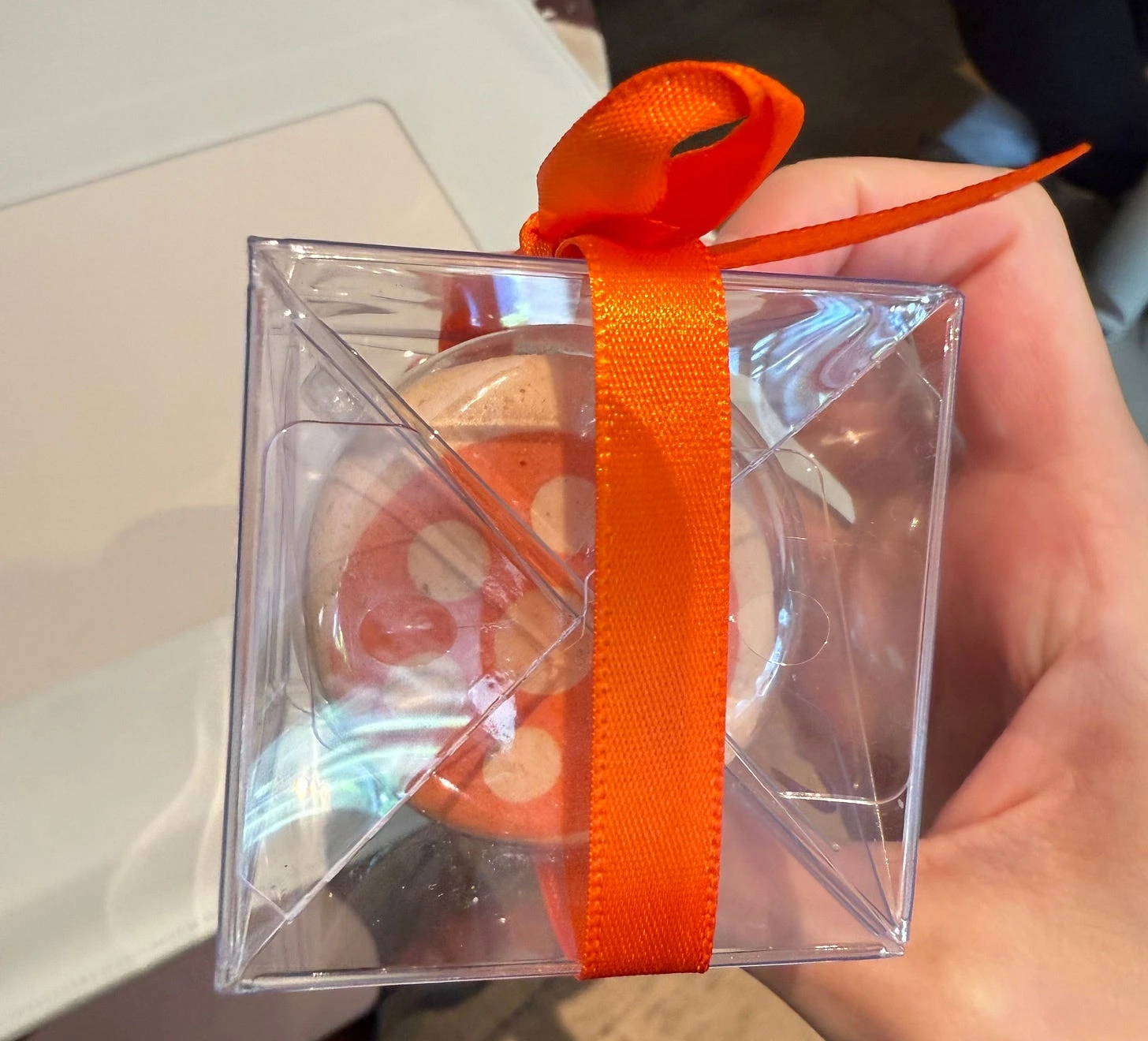
Kate Deyneka distributing cookies with a theme of Reelful, her startup producing videos with AI.
-
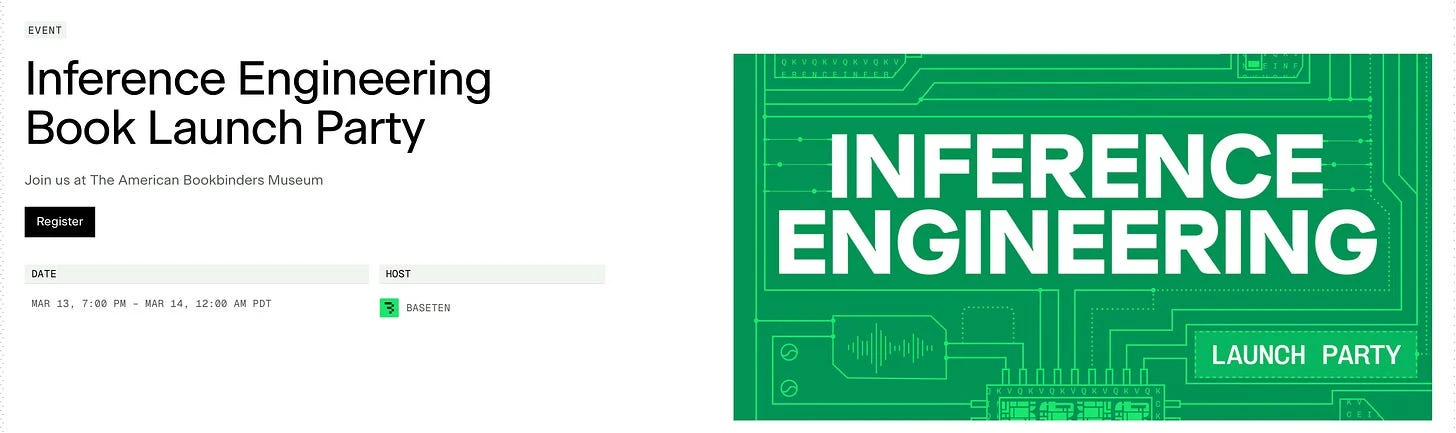
Launch party for an Inference Engineering book
Launching something to the world takes a lot of preparation and is insanely hard to execute. You must own creative operations and manage a lot of moving parts.
…Who can even do all this?
The most underpaid person at your company is the one who can tell its story. The story spans far beyond launches, across everything from brand and messaging to hiring and product.
At least in the early stages, it’s the founders’ job to tell the company’s story to employees and investors. But it’s also important for someone to shape that story with them and stick a megaphone in front of them so the world can hear it too.
The set of people with this superpower is extremely small.
And everyone wants to get into their circle.
VCs & companies are throwing luxurious influencer summer camps, renting out yachts, and doing everything they can to attract the “storytellers”, “new media” or however you call this group.
For this crowd, the opportunity cost of devoting their own platform to a company is high. They’re already offered thousands of dollars for their content, sometimes a single tweet.
The standard for a good launch increases every day. It’s no longer enough to put together an amazing product and ship it. You have to engineer attention acquisition through launch.
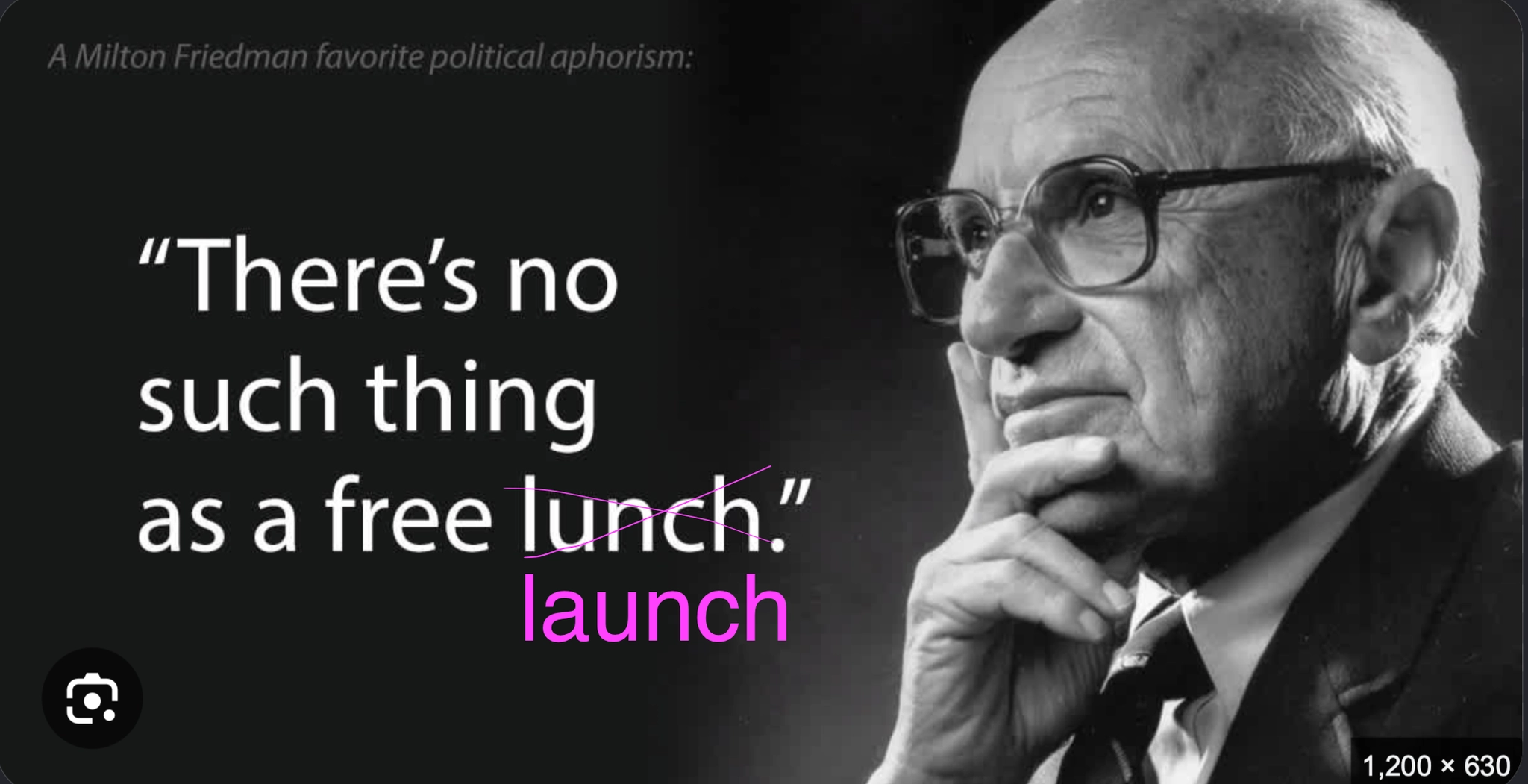
You can try to shortcut your launch and compensate by paying people for tweets. Or you can invest real time and resources upfront. In 2026, there’s no such thing as a free launch.
→ Kyle